Italy Travel Guide: Everything You Need to Plan Your Trip
Italy doesn't need a sales pitch. The food alone could convince you. But whether this is your first trip or your fifth, the country is big, varied, and wonderfully overwhelming — and a little structure goes a long way.
This guide covers everything: where to go, when to go, what to eat, how to get around, and which corners of Italy most travellers miss. Think of it as your starting point. Each section links to deeper guides so you can go as far as you want.
Where to Go in Italy
Italy rewards both the classics and the curious. The top 10 most visited destinations in Italy — Rome, Florence, Venice, the Amalfi Coast, Sicily, Tuscany, Cinque Terre, Milan, Lake Como, and Naples — are popular for good reason. But there's a whole country beyond the highlights.
If you're trying to figure out how to plan a route around Italy, the most common approach is to anchor around two or three cities and build day trips and overnight stops around them. Two weeks is ideal for a north-to-south journey. One week works if you keep it focused on one region.
For travellers who've already done the main cities, the best cities in northern Italy — Verona, Bologna, Parma, Bergamo — offer a completely different side of the country: slower, less touristy, and often more authentically Italian.
Rome
Rome is Italy's most visited city and, for many travellers, the first stop on the list. It's enormous, layered with 2,000 years of history, and completely chaotic in the best way.
The 20 things you can't miss in Rome range from the Colosseum and Vatican to the Trastevere neighbourhood and the city's street food scene. If you're working with a tight budget, you'll be glad to know that Rome has an impressive list of free things to do — the Pantheon (most of the time), the Campo de' Fiori market, the Spanish Steps, and most of the city's churches are all free entry.
Staying in Rome: Neighbourhood matters a lot. The best areas to stay in Rome depend on what kind of trip you're planning — Trastevere and Prati for character, the Centro Storico for convenience, Pigneto if you want something more residential and local. If budget is a concern, there are solid budget hotels in Rome that don't compromise on location.
When to go: The best time to visit Rome is April–June and September–October. July and August are genuinely hot and very crowded. December is quieter than you'd expect and has its own charm.
Getting out of Rome: Rome sits in the middle of the country, which makes it a great base for side trips. You can get from Rome to Florence in 1.5 hours by high-speed train, or from Rome to Venice in about 4 hours — both very doable as longer day trips or overnights.
Tuscany
Tuscany is a cliché for a reason. Rolling cypress-lined hills, medieval hilltop towns, incredible wine, and some of the best food in the country — it delivers.
Florence is the obvious anchor, with the Uffizi, the Duomo, and Michelangelo's David. But some of the most memorable Tuscany experiences are in the smaller towns. The 7 must-visit villages in Tuscany — including Montepulciano, Pienza, San Gimignano, and Volterra — are all within easy reach and far less crowded than Florence.
The Coast and Islands
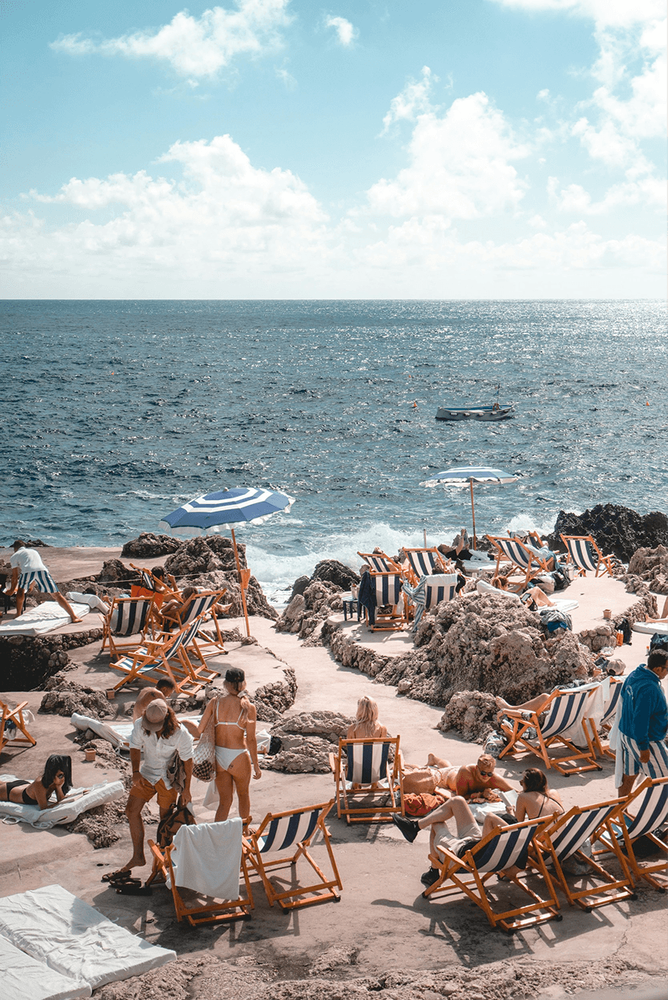
Italy has over 7,000 kilometres of coastline, and the quality varies enormously. The best beaches in Italy include spots in Sardinia, Sicily, Puglia, and along the Amalfi Coast — each with its own character. Sardinia has the clearest water; Puglia has the most understated charm; Sicily has the most dramatic backdrop.
For walkers, Italy's hiking trails are among Europe's most spectacular. The Cinque Terre coastal path is the most famous, but the Dolomites in the north, the Amalfi Path of the Gods, and Etna in Sicily all rank among the best long-distance hiking in Europe.
Hidden Italy
The places most people never reach are often the ones they remember most. Italy's hidden gems include the island of Procida (more authentic than Capri and far less expensive), Civita di Bagnoregio (a medieval hilltop village slowly being reclaimed by erosion), and Tropea in Calabria, with its dramatic cliffside beaches.
If you want to go deeper, travel bloggers who specialise in Italy have uncovered 15 more secret locations across the country worth adding to your list.
Food and Culture
Italian food is regional. What you eat in Bologna is completely different from what's on the menu in Palermo. The 15 best food experiences in Italy cover the full range — from a truffle lunch in Umbria to a street food tour of Palermo's markets to a winemaker's table in Barolo.
A few things that apply everywhere: always eat where locals eat (one or two streets away from the main square is usually the rule), never order a cappuccino after 11am, and don't skip the aperitivo hour.
Planning and Travel Tips
Italy rewards travellers who plan ahead for the big things and leave room for improvisation on the small things. Some practical advice that makes a real difference:
For first-timers, 20 essential Italy travel tips cover the important stuff: validate your train ticket before boarding, dress modestly for churches, carry cash for smaller towns, and avoid the tourist trap restaurants right outside major attractions.
For those who've been before and want to go deeper, 25 travel tips for Italy lovers gets into the more nuanced territory — the regional train system, shoulder season timing, how to find the best gelato (never piled high, stored in covered containers), and why renting a car is the only way to really see the countryside.
Best time to visit Italy overall: April–June and September–October. The weather is excellent, the crowds are manageable, and prices are lower than peak summer. August is beautiful but extremely busy and hot, and many local businesses in smaller towns close mid-month.
Travelling with Family
Italy works well for families. Kids tend to love the food, the history comes alive at places like Pompeii and the Colosseum, and the Italian attitude toward children is genuinely warm. Bloggers who've done Italy as a family trip share honest advice on what works and what doesn't — pacing, which cities are most manageable with young children, and where to find family-friendly accommodation.
Inspiration and Itineraries
If you're still in the research phase, the best Italy travel bloggers to follow in 2025 are a good starting point for real-world itineraries and up-to-date tips — especially for specific regions like Sicily, Puglia, and the Dolomites where local knowledge matters.
How to Use This Guide
This page is the starting point. Each link goes deeper on a specific topic — a city, a region, a type of experience. The idea is simple: decide what kind of Italy trip you want, then follow the relevant thread.
A few ways to use it:
- First trip to Italy: Start with how to plan a route around Italy and the top 10 destinations, then drill into Rome and Tuscany.
- Back for more: Go straight to hidden gems, northern Italy, or the coast and beaches.
- Outdoors focus: The hiking guide is where to start.
- Food-first: The cultural food experiences guide covers the best of regional Italian cuisine.
Italy is one of those countries that keeps giving the more you put in. Start planning, then adjust as you go. The itinerary always changes once you're there — and that's usually a good thing.
Tip: Building your Italy itinerary? Use Stippl to plan your route visually, organise accommodations, and share a beautiful interactive trip link with your travel companions — all for free.