Best Time to Visit Japan: A Complete Seasonal Guide & Travel Tips
If you're wondering about the best time to visit Japan, you're asking a key question. Each season here offers a distinct atmosphere, unique experiences, and regional character. It’s not just about cherry blossoms or autumn leaves—this guide explores when and where to go for the most rewarding travel experience, including local festivals, seasonal foods, hidden gems, and less-crowded alternatives to popular spots.
Spring (March to May): Best Time to Visit Japan
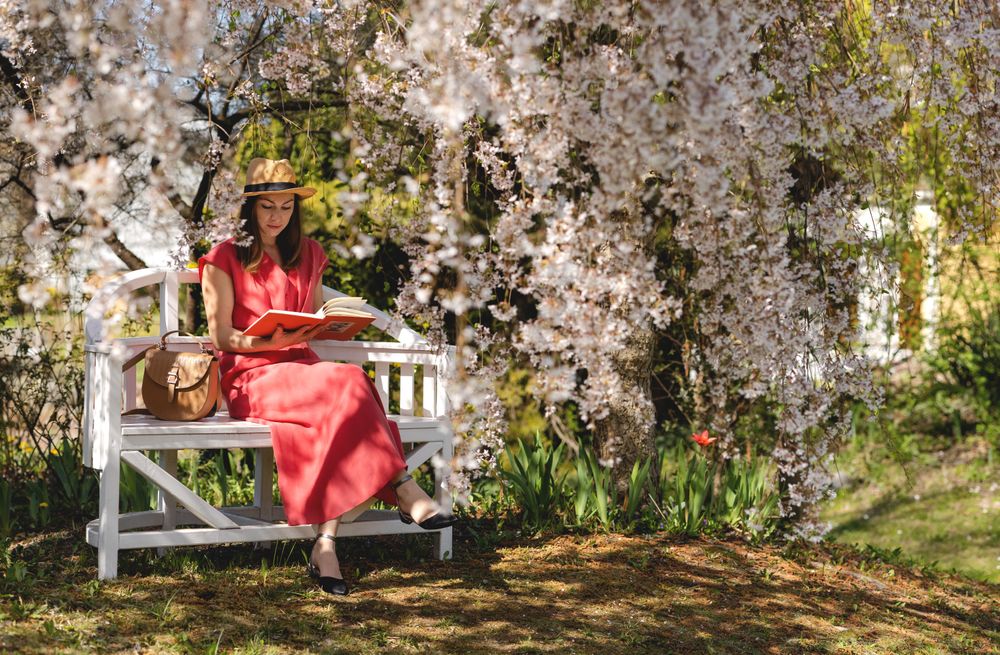
Spring in Japan is more than a picturesque season—it’s a national mood. As the sakura season moves gradually through the country, they mark not just a change in weather, but a shared emotional shift. Parks fill with families celebrating hanami, shrines host seasonal rituals, and menus highlight spring vegetables and sakura-inspired dishes. But the real richness of spring lies in where—and how—you experience it.
Why Travel in Spring:
Sakura Season Across Japan
-Cherry blossoms define spring in Japan. From late March to early April, the country transforms into soft pink scenes. Whether watching petals drift along Tokyo’s Meguro River, picnicking in Kyoto’s Maruyama Park, or viewing Himeji Castle framed by full bloom, the moment is unforgettable. Sakura’s brief bloom invites a collective pause—a shared moment to reflect on beauty that doesn’t last.
Ideal Hiking Weather Before the Heat
- Spring brings ideal hiking conditions—mild temperatures and lush scenery. Trails like Magome to Tsumago in the Kiso Valley reopen with forest views and quiet post towns. In the Japanese Alps, areas like Kamikochi begin to melt, revealing alpine streams and even cherry blossoms beneath snowy peaks.
Takayama Spring Festival
- Held April 14–15, the Takayama Matsuri is among Japan’s finest festivals. Traditional floats travel through the town through Edo-era streets, glowing with lanterns by night. Even beyond festival dates, Takayama charms with crisp mountain air, old sake breweries, and quiet springtime elegance.
Travel Tips:
- Cherry blossom forecasts are essential. The bloom front begins in Kyushu around mid-March and moves northward, reaching Tokyo and Kyoto in early April, and Sapporo by early May. Use websites like Japan-Guide or the Japan Meteorological Corporation for updates.
- Plan travel around peak bloom. If you're flexible, book hotels and trains in multiple cities so you can shift with the weather and the blossoms.
- Dress in layers—while days are mild, mornings and evenings can be cool, especially in mountainous regions.
- Must-try foods: sakura mochi, clam miso soup, cherry blossom tea, and fresh seasonal sashimi like tai (sea bream), often enjoyed during spring celebrations.
Less-crowded alternatives to popular spots:
Spring is Japan’s busiest season, especially from late March to early April, with Kyoto, Tokyo, and Osaka drawing dense crowds at popular cherry blossom spots. For a more relaxed experience, head off the beaten path.
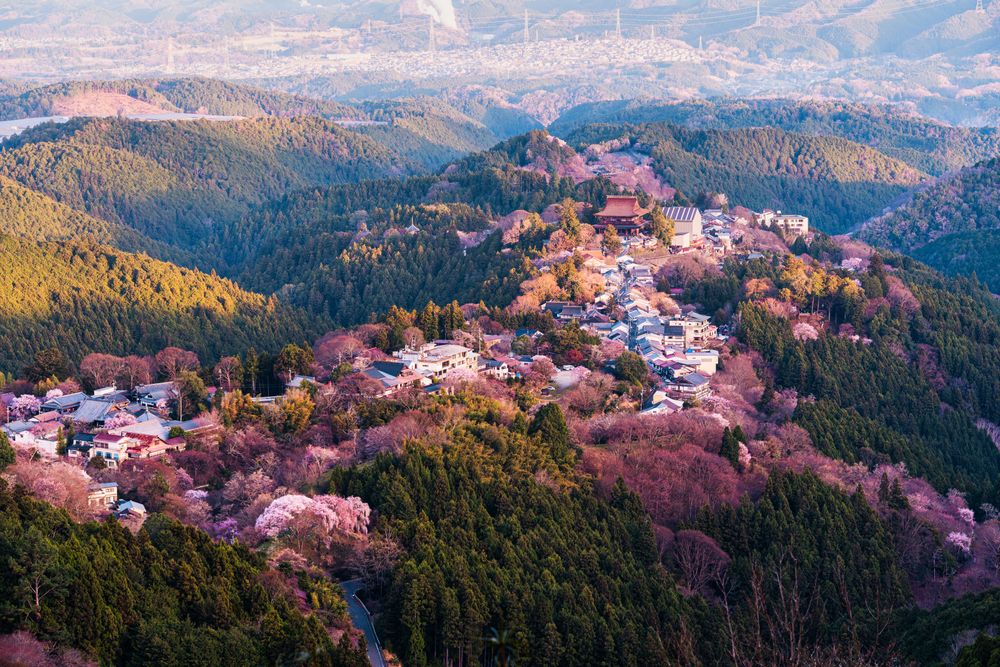
Tottori and Matsue offer wide-open spaces, with cherry trees lining castle moats and quiet canals. Enjoy local wagashi in a teahouse or visit the Tottori Sand Museum for a unique contrast to floral views. Mt. Yoshino in Nara boasts over 30,000 sakura trees blooming in layers. Arrive early to enjoy peaceful mountain trails and temple views before the daytime crowds arrive.
In Fukuoka, Maizuru Park offers vibrant blossoms without the big-city congestion—perfect for riverside picnics with mentaiko rice balls. Kumamoto’s Suizenji Garden, with views of Mt. Aso and nearby onsen towns like Kurokawa, blend nature and relaxation in perfect spring harmony.
Travel Tip: Create the perfect itinerary of Japan and be inspired by others! 🇯🇵🥰 Download free for Android or for iOS
Summer (June to August): An Intense Experience
Summer in Japan is intense, energetic, and rich in cultural spectacle. Though the lowlands can be hot and humid, the season is filled with vibrant festivals, alpine adventures, and island getaways that showcase the country’s diversity. Whether you're drawn to lantern-lit streets or coral-blue waters, summer in Japan is all about immersion.
Why Travel in Summer:
Okinawa’s Beach Season (Go in Early June)
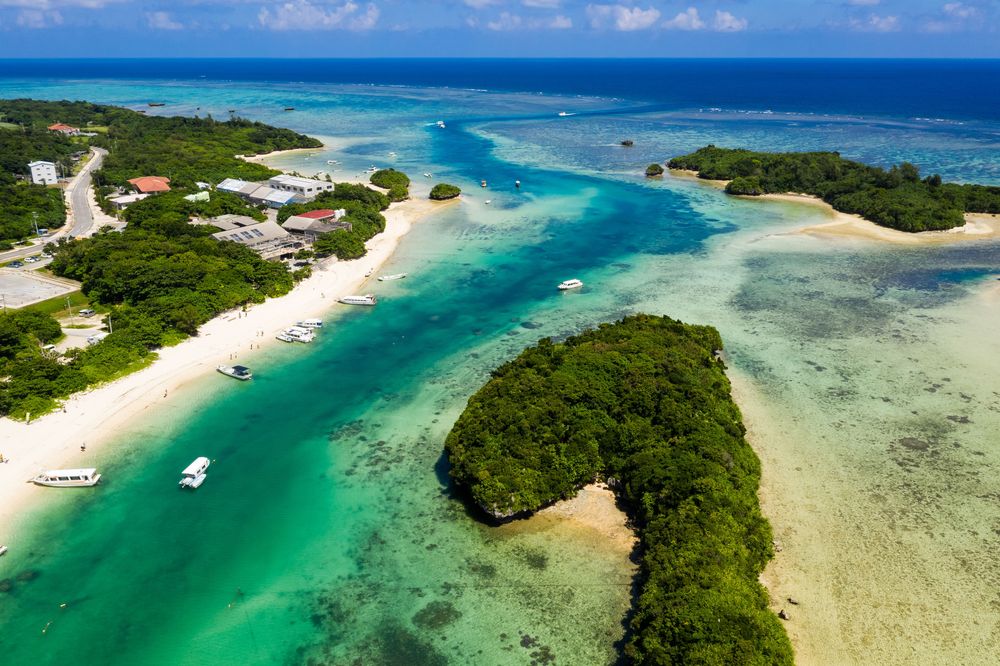
- For a completely different summer experience, visit Okinawa in early June—right before typhoon season. With sunny weather, warm seas, and fewer tourists, islands like Ishigaki, Miyakojima, and Zamami are perfect for snorkeling, diving, or simply relaxing. The unique Ryukyu culture, island cuisine, and slower pace offer a distinct perspective on Japan.
Festival Season Across the Country
- Summer kicks off with some of Japan’s most iconic festivals. In Kyoto, the Gion Matsuri in July transforms the city into a stage of traditional floats and street food. Osaka’s Tenjin Matsuri brings fireworks and boat processions along the river, while smaller towns host their own lantern festivals, folk dances, and fireworks shows all season long.
Cooler Adventures in the Japanese Alps
- If you’re looking to escape the heat, the Japanese Alps offer crisp air, wildflower trails, and panoramic ridge hikes. Kamikochi and Tateyama are perfect for summer treks, and the Nakasendo Trail between old post towns like Magome and Tsumago is especially pleasant in June and early July before the main holiday crowds arrive.
Travel Tips:
Use regional rail and air passes to reach cooler or coastal destinations. Carry UV protection and stay hydrated—urban areas can be draining in peak heat. Seasonal dishes like hiyashi somen, grilled unagi, and kakigori (shaved ice) help you cool down from the inside out.
Less-crowded alternatives to popular spots:
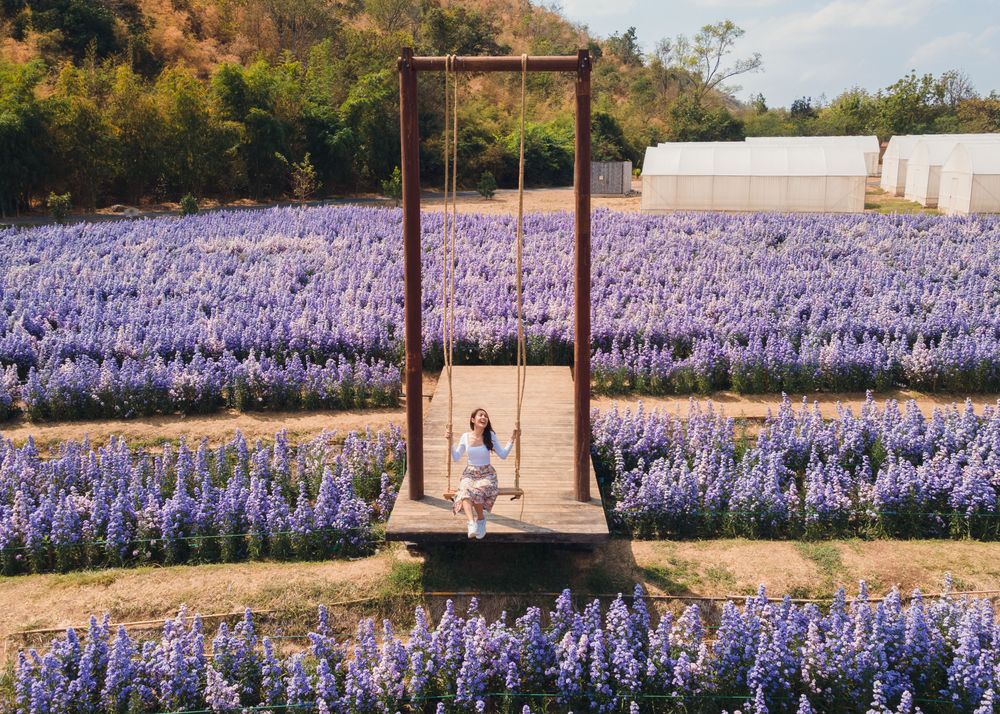
Skip urban festivals and explore Tohoku, where events like Aomori’s Nebuta Matsuri feel authentic and less commercial. The Norikura Highlands in Nagano offer alpine beauty with fewer visitors. In Hokkaido, the lavender fields of Furano bloom in July, offering vast purple landscapes, mild weather, and scenic train rides—without the congestion of Japan’s main tourist zones.
Travel Tip: Create the perfect itinerary of Japan and be inspired by others! 🇯🇵🥰 Download free for Android or for iOS
Autumn (September to November): Best Time to Visit Japan
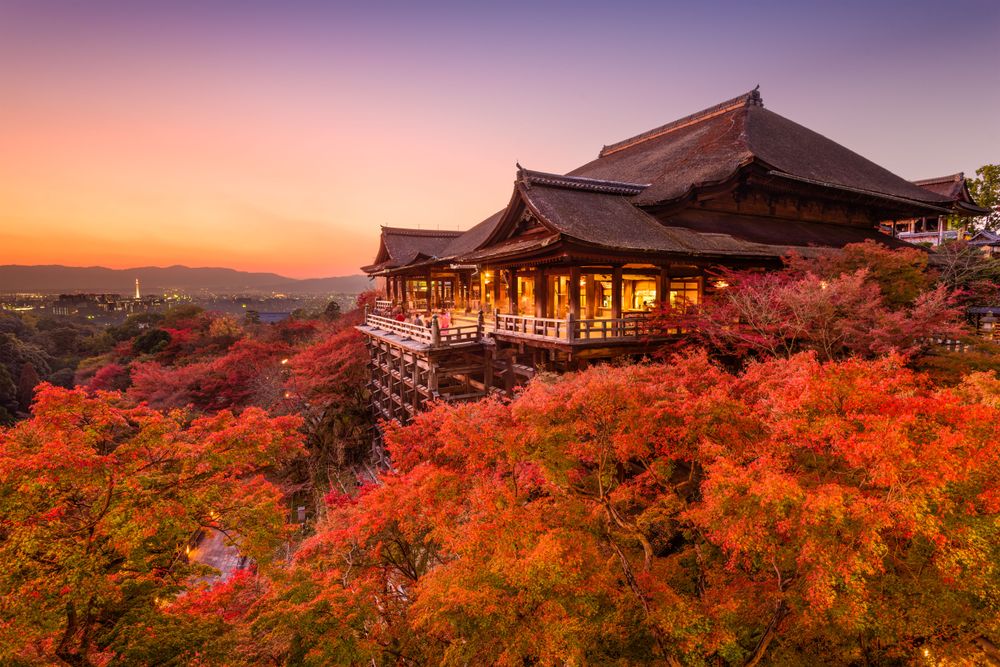
Autumn in Japan is both scenic and introspective. As the summer heat fades, the country transforms into rich tones of red, gold, and amber. Food becomes more comforting, crowds are more manageable, and both city and countryside offer rich experiences grounded in beauty and seasonal awareness.
Why Travel in Autumn:
Fall Foliage in Historic Settings
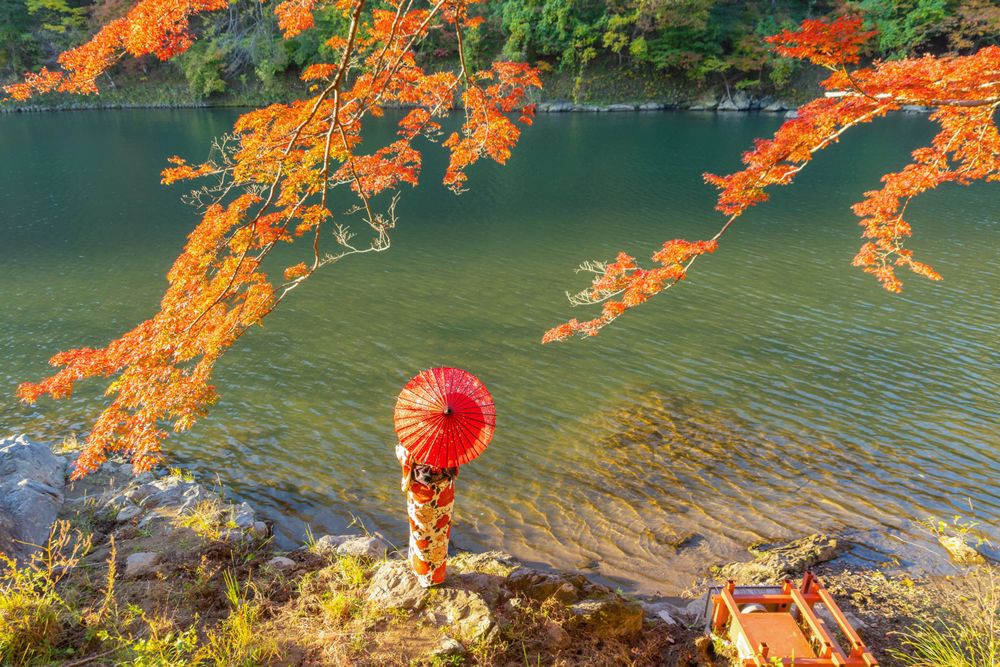
- By late October, places like Kyoto’s Tofukuji Temple and Nikko’s Lake Chuzenji are surrounded by brilliant foliage. The contrast of ancient wooden buildings and fiery maple leaves creates a deeply atmospheric setting—especially during temple night illuminations in November.
Harvest and Seasonal Food Culture
- Autumn is when Japan’s culinary traditions truly shine. Try matsutake mushrooms grilled over charcoal, or kuri gohan (chestnut rice). Local markets showcase sanma (Pacific saury), sweet potatoes, and persimmons—all iconic flavours of the season. Kaiseki meals during this time are warm, rich, and earthy.
Tranquil Hiking and Countryside Travel
- Cool temperatures make it perfect for rural walks. The Kumano Kodo pilgrimage trails in Wakayama offer spiritual solitude among cedar forests and shrines. In Nagano’s Kiso Valley, the post towns of Magome and Tsumago are bathed in golden leaves and are less crowded than Kyoto’s urban spots.
Travel Tips:
Bring layers—days are warm, but evenings are crisp. Autumn foliage peaks from mid-October in the north to late November in the south. Use apps like MomijiMaple or check local forecasts to time your trip with colour changes.
Less-crowded alternatives to popular spots:
Skip central Kyoto and explore Uji or Ohara—temple towns just outside the city with vibrant foliage and fewer tourists. Head to Lake Towada in Aomori or Tottori’s Mitokusan Sanbutsu-ji, a temple built into a cliff surrounded by crimson leaves. You’ll get stunning views with space to breathe.
Winter (December to February): A Quieter Alternative
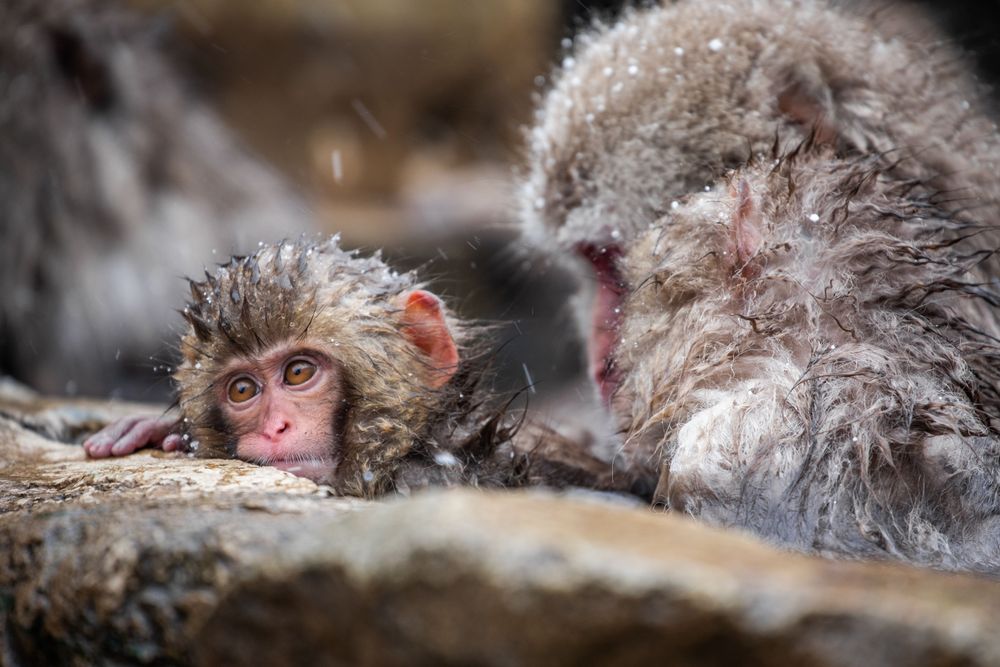
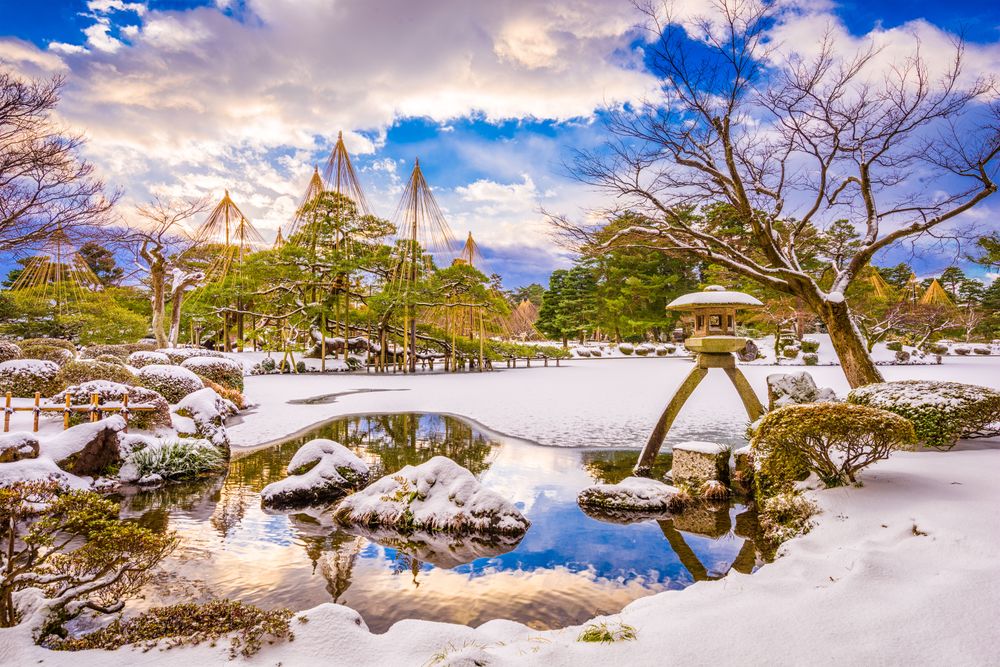
Winter in Japan offers a quieter, more intimate view of the country. The snow covers the mountains and temples, hot springs fill with rising steam, and traditional customs take centre stage. It’s a season of reflection, indulgence, and contrast.
Why Travel in Winter:
World-Class Powder and Scenic Ski Resorts
- Japan is a snow-lover’s paradise. Resorts in Niseko, Hakuba, and Nozawa Onsen receive some of the best powder snow globally, ideal for skiing and snowboarding. Many also offer access to onsen, turning a ski trip into a wellness retreat.
Onsen Culture at Its Best
- Winter is the most rewarding season to visit Japan’s hot springs. In Kinosaki Onsen, walk in a yukata through snowy lanes from one bathhouse to another. Nyuto Onsen in Akita offers remote, rustic baths set in snow-covered forests—perfect for solitude seekers.
New Year Traditions & Snow Festivals
- The Sapporo Snow Festival (early February) transforms the city into a winter wonderland of ice sculptures and glowing installations. Around New Year, visit temples for hatsumode, Japan’s first shrine visit of the year, a custom filled with incense, prayer, and reflection.
Travel Tips:
Dress in warm layers and use kairo (heat packs) sold at convenience stores. Trains and resorts are busy around New Year (Dec 29–Jan 3), so book early. Don’t miss winter foods like nabe hot pots, oden, and sweet yuzu citrus in desserts and drinks.
Less-crowded alternatives to popular spots:
Instead of Niseko, try Myoko Kogen or Zao Onsen, where you’ll find excellent snow and fewer crowds. For onsen, swap Hakone for Yamagata’s Ginzan Onsen, a nostalgic village with gas-lit streets and snowy ryokan. Kanazawa, often overlooked in winter, offers seafood-rich cuisine, quiet temples, and walkable streets dusted in snow.
Finding Your Best Time to Visit Japan
Each season in Japan reveals a different mood—spring’s fleeting beauty, summer’s bold energy, autumn’s calm, and winter’s quiet depth. The landscapes change, the food evolves, and the rhythm of daily life shifts with the weather. Travel becomes more meaningful when matched to your own pace and interests. Choose the moment that aligns with what you’re seeking—and you’ll discover your own best time to visit Japan.
Article written by Ana-Maria Hanzu, Digital Marketing Intern @ Stippl.