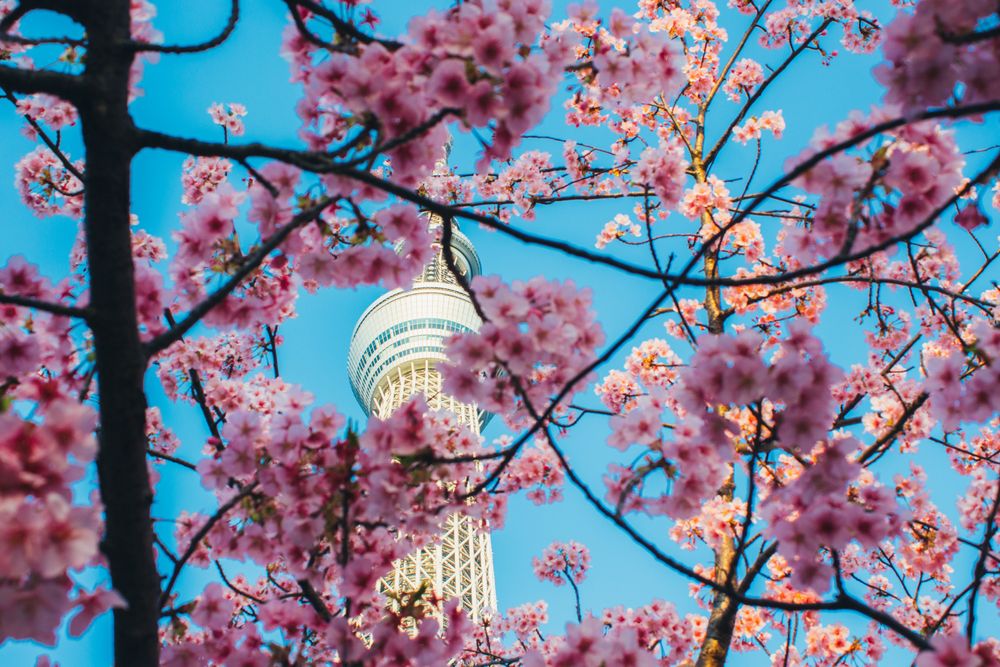
2 amazing weeks in Japan: The perfect Spring Itinerary of Japan
This 2-week itinerary allows you to experience the vibrancy of Tokyo, the cultural depth of Kyoto, and the spiritual beauty of Wakayama while supporting sustainable tourism. From the bustling cityscapes to tranquil temples and cherry blossoms, this journey is a beautiful blend of Japan’s natural and urban landscapes and the perfect Spring Itinerary of Japan.
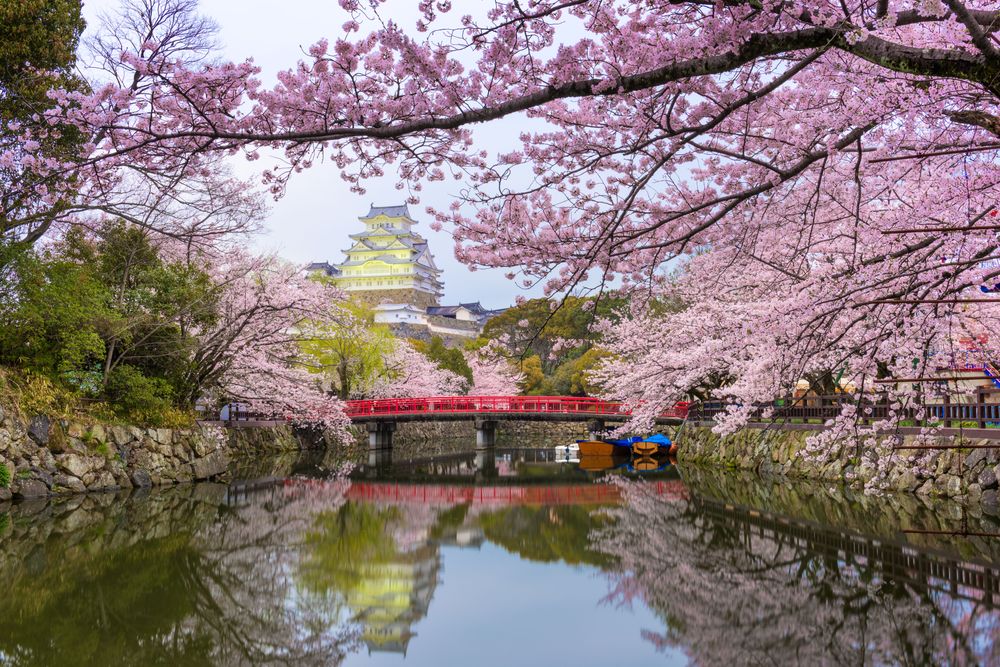
A few travel tips to fully enjoy Japan
Navigating Japan can be a smooth and enjoyable experience, especially in spring. Here are some general and practical tips to help you travel with ease around this time:
✅ 1. Public Transport Mastery
Japan’s public transport is highly efficient, punctual, and easy to use once you understand the basics.
Japan Rail Pass (JR Pass):
- The JR Pass is a great investment for tourists planning to travel long distances between cities. It covers most shinkansen (bullet trains), regional trains, and some local JR lines.
- Important: You must purchase the JR Pass before arriving in Japan. It’s available for 7, 14, or 21 days, and you’ll activate it when you first use it in Japan.
- Tip: The JR Pass doesn't cover all local metro lines (like Tokyo Metro or Osaka Subway), so be prepared to buy separate tickets or use a rechargeable IC card (like Suica/Pasmo).
IC Cards (Suica/Pasmo):
- These prepaid transportation cards work on trains, buses, subways, and even in some convenience stores and vending machines. You can easily top them up at train stations and use them to tap in and out of public transport.
- Tip: Buy an IC card at the airport or major train station upon arrival for seamless access to public transit throughout your trip.
Shinkansen Travel:
- Book your seats in advance if traveling during the cherry blossom season, as shinkansen tickets can sell out.
- Use the JR Pass to reserve seats for free at JR ticket offices or use non-reserved seating in certain cars.
Navigating the Tokyo Metro/Other Cities:
- In large cities like Tokyo, Osaka, and Kyoto, use the HyperDia or Google Maps apps to plan routes with real-time train schedules.
- For Tokyo’s metro system, you’ll need a Suica/Pasmo or individual tickets, as the JR Pass won’t cover most metro lines.
✅ 2. Language & Communication
Basic Phrases in Japanese: While English is becoming more common, especially in major cities, knowing a few basic Japanese phrases will go a long way:
- "Arigato gozaimasu" = Thank you
- "Sumimasen" = Excuse me (useful for getting attention)
- "Konnichiwa" = Hello
- "Eigo o hanasemasu ka?" = Do you speak English?
Translation Apps:
- Download Google Translate or DeepL, which can help with basic communication and translate menus or signs on the go using your phone’s camera.
- Tip: You can download Japanese for offline use in Google Translate, which can be helpful in areas with limited internet access.
✅ 3. Packing & Seasonal Considerations
What to Pack for Spring:
- Layers: Spring weather can be unpredictable. Pack light jackets, sweaters, and breathable clothing that you can layer as temperatures fluctuate between morning and night.
- Umbrella: It’s common for spring showers, so bring a compact umbrella or buy one from a convenience store (they're inexpensive).
- Comfortable Shoes: You’ll be doing a lot of walking, so make sure to bring comfortable, supportive shoes.
Cherry Blossom Crowds:
- Spring is cherry blossom season (late March to early April), which attracts a lot of tourists and locals alike. Popular parks and viewing spots (like Ueno Park in Tokyo or Maruyama Park in Kyoto) will be busy, so arrive early in the day to get a good spot for viewing or hanami (cherry blossom picnic).
✅ 4. Cash vs. Card Usage
- Cash is King: While cards are widely accepted in urban areas and chain stores, many smaller restaurants, rural areas, and traditional shops still prefer cash.
- Tip: Carry yen (¥) with you, especially for transportation, small eateries, and temples.
- ATMs: Not all ATMs in Japan accept foreign cards, but 7-Eleven convenience stores, Post Office ATMs, and some FamilyMart ATMs are reliable for international withdrawals.
- Tip: Always have a small amount of cash, especially when venturing out to smaller towns or off the beaten path.
✅ 5. Internet Access
eSIMs:
- It’s a good idea to buy an eSIM beforehand for easy internet access throughout your trip.
✅ 6. Eating Out in Japan
Restaurant Etiquette:
- When dining out, especially in smaller establishments or traditional restaurants, you may be given a small wet towel (oshibori) to clean your hands before eating.
- Tipping is not customary in Japan. In fact, it may be considered rude. Service is generally included in the price.
- Tip: Many restaurants provide a “set meal” (teishoku) that includes a main dish, rice, miso soup, and pickles. It's a cost-effective and hearty way to eat.
✅ 7. Sustainable Travel Tips
- Trash and Recycling: Trash bins are rare in public spaces. Bring a small bag to carry your trash until you find a bin, usually near vending machines or convenience stores. Japan is meticulous about sorting waste, so pay attention to recycling guidelines.
- Eco-Friendly Accommodations: Many hotels, especially the more sustainable options, encourage reducing energy use by asking guests to limit towel and linen changes. Supporting businesses that practice eco-friendly initiatives is a great way to give back.
- Support Local Businesses: Instead of opting for chain stores or hotels, consider staying in family-run ryokan, guesthouses, or locally owned accommodations that contribute to the local economy.
✅ 8. Health & Safety
Emergency Numbers: In case of emergency, dial:
- 110 for police.
- 119 for ambulance or fire services.
Staying Healthy:
- Japan is very safe, but always wash your hands before eating (which is why you'll find wet towels at many restaurants). In busy areas, wearing a mask is still common, especially during the spring allergy season and for general health consciousness.
- Hospitals & Clinics: If you need medical attention, most major cities have clinics with English-speaking doctors. Look for “international clinics” in major cities if needed.
✅ 9. Respecting Local Culture
- Temples & Shrines: Be respectful when visiting temples and shrines. Always bow before entering the main gate, and if available, cleanse your hands and mouth at the water basin near the entrance.
- Shoes: Always remove your shoes when entering temples, traditional inns (ryokan), and some restaurants. Public Manners:
- Quiet in Public Transport: Avoid talking loudly on trains or buses. If you need to take a phone call, wait until you’re off public transportation.
- Queuing: In Japan, people line up neatly for everything, from trains to elevators. Follow the queues and respect personal space.
Tip: Create the perfect itinerary of Japan and be inspired by others! 🇯🇵🥰 Download free for Android or for iOS
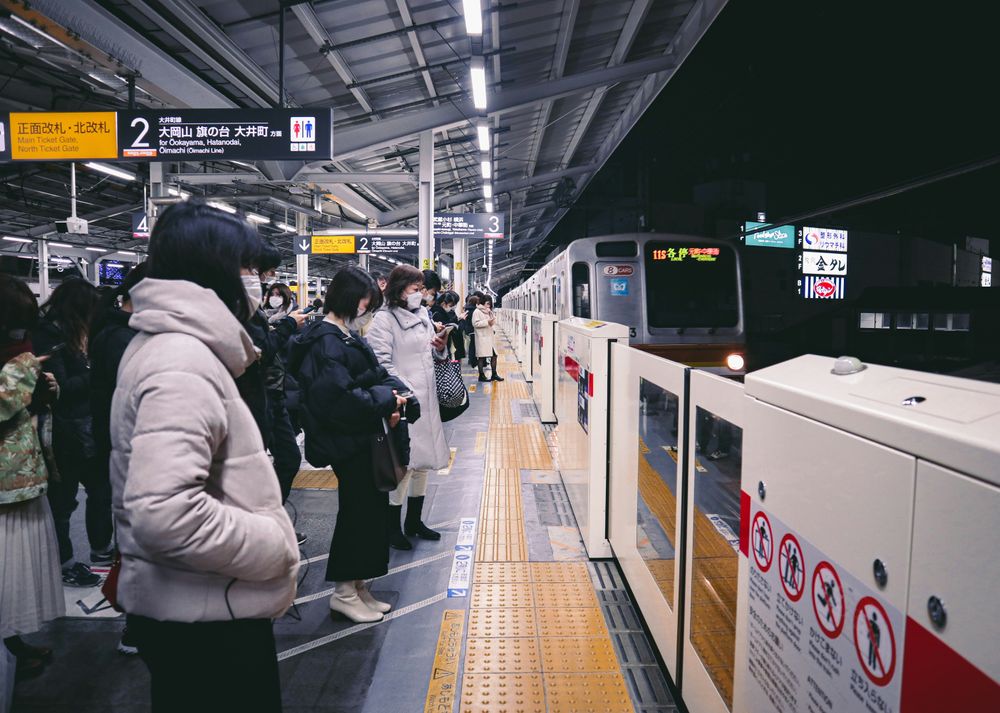
Transportation Costs Breakdown For This Itinerary
Alright, you made it through the first Japan travel tips part, and now starts the itinerary, this an overview of the transportation costs for this trip:
- JR Pass (7 days): ¥29,650 (covers long-distance shinkansen travel between major cities and day trips).
- Tokyo to Hakone and return (Odakyu Romancecar): ¥4,660.
- Hakone Free Pass: ¥5,000 (optional, for local travel within Hakone).
- Local transportation: Around ¥1,000–¥2,000 per city for metro passes.
- Grand Total for 2 Weeks (including JR Pass, local transportation, and sustainable accommodation): Approx. ¥270,000–¥320,000 per person, depending on room type and dining choices.
The perfect Spring Itinerary of Japan
✅ Day 1: Arrival in Tokyo - The perfect Spring Itinerary of Japan
- Arrival at Narita or Haneda Airport
- Transportation to Central Tokyo: From Narita: Take the Narita Express (N’EX) to Tokyo Station (around 1 hour, ¥3,200). From Haneda: Take the Tokyo Monorail to Hamamatsucho Station (20 minutes, ¥500). Settle into your accommodation and explore the local area.
Sustainable Accommodation in Tokyo: The Knot Tokyo Shinjuku
- Price: ¥10,000–¥15,000 per night.
- Highlights: This hotel emphasizes sustainability with eco-friendly practices and collaborations with local artisans. They also support local farmers by sourcing ingredients from nearby regions.
- Location: In the vibrant Shinjuku district, close to transportation hubs.
✅ Day 2: Tokyo Highlights - The perfect Spring Itinerary of Japan
- Morning: Senso-ji Temple (Asakusa) – Walk through Nakamise-dori for souvenirs.
- Afternoon: Ueno Park – Enjoy cherry blossoms and visit the Tokyo National Museum.
- Evening: Shibuya Crossing and Meiji Shrine – Experience the bustling city and serene shrine.
✅ Day 3: Harajuku & Roppongi - The perfect Spring Itinerary of Japan
- Morning: Harajuku – Explore trendy Takeshita Street and Omotesando for shopping.
- Afternoon: Nezu Museum – Enjoy a beautiful art collection and garden in Roppongi.
- Evening: Tokyo Tower – Visit Tokyo's iconic landmark for a view of the city at night.
✅ Day 4: Odaiba & Toyosu Market - The perfect Spring Itinerary of Japan
- Morning: Toyosu Market – Visit the replacement for the famous Tsukiji Fish Market.
- Afternoon: Odaiba – Check out the futuristic shopping and entertainment complex, including teamLab Borderless (a digital art museum).
✅ Day 5: Day Trip to Hakone - The perfect Spring Itinerary of Japan
- Transportation: Take the Odakyu Romancecar from Shinjuku to Hakone-Yumoto Station (approx. 1.5 hours, ¥2,330 one-way).
- Visit Lake Ashi with a cruise and the Hakone Ropeway for views of Mount Fuji.
- Return to Tokyo in the evening.
Transportation for Hakone Day Trip:
- Odakyu Romancecar round-trip: ¥4,660.
- Hakone Free Pass (if visiting multiple attractions): ¥5,000 for unlimited travel within the area.
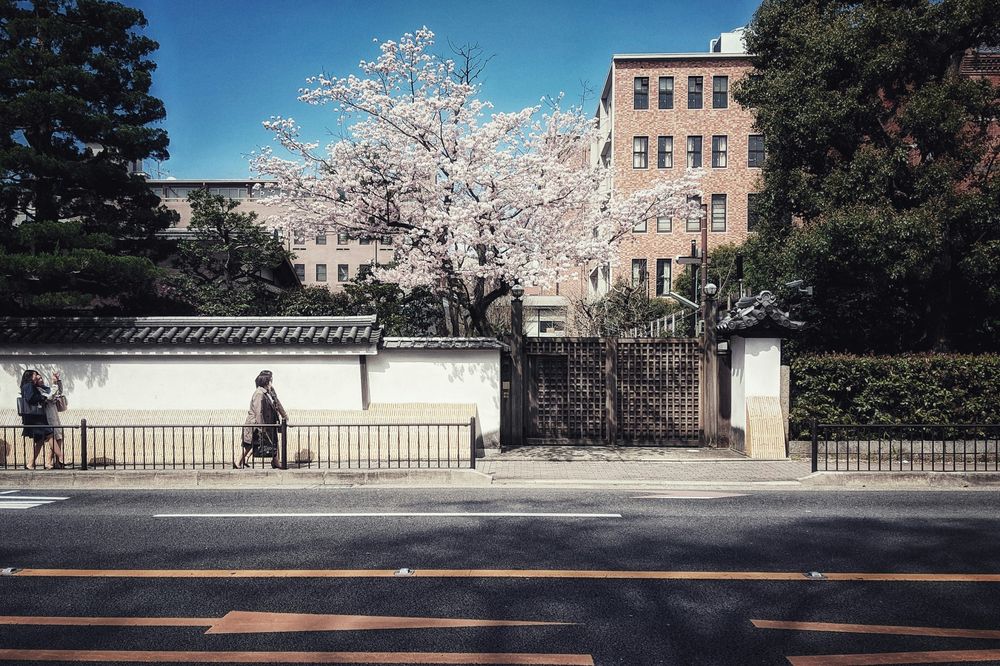
✅ Day 6: Travel to Kyoto - The perfect Spring Itinerary of Japan
- Transportation: Take the Shinkansen (bullet train) from Tokyo to Kyoto (approx. 2.5 hours, ¥14,500 with a JR Pass).
- Activate the JR Pass for 7 days from this point for long-distance travel.
- JR Pass Cost: ¥29,650 (7-day pass).
Sustainable Accommodation in Kyoto: RAKURO Kyoto by THE SHARE HOTELS
- Price: ¥9,000–¥13,000 per night.
- Highlights: This eco-friendly hotel uses renewable energy, promotes local culture with traditional crafts, and collaborates with nearby businesses.
- Location: Central Kyoto, close to public transport and main attractions.
✅ Day 6: Kinkaku-ji and Arashiyama - The perfect Spring Itinerary of Japan
- Morning: Kinkaku-ji (Golden Pavilion) – Visit the iconic temple.
- Afternoon: Arashiyama Bamboo Forest – Stroll through the bamboo grove and visit the Monkey Park Iwatayama for great views of Kyoto.
✅ Day 7: Fushimi Inari Shrine & Gion - The perfect Spring Itinerary of Japan
- Morning: Fushimi Inari Shrine – Hike through the thousands of red torii gates.
- Afternoon: Gion District – Explore the historic streets and spot geishas in the evening.
✅ Day 8: Day Trip to Nara - The perfect Spring Itinerary of Japan
- Transportation: Take the JR Nara Line from Kyoto to Nara (approx. 45 minutes, covered by JR Pass).
- Visit Todai-ji Temple, Nara Deer Park, and Kasuga Taisha.
- Return to Kyoto in the evening.
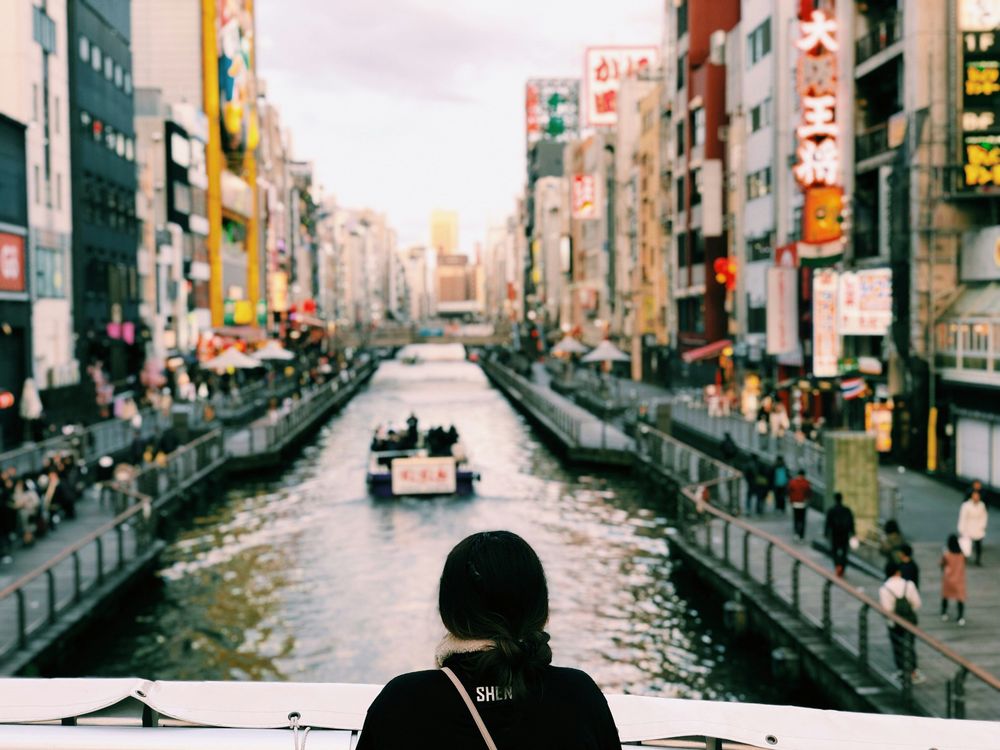
✅ Day 9: Travel to Osaka - The perfect Spring Itinerary of Japan
- Transportation: Take the Shinkansen from Kyoto to Osaka (approx. 15 minutes, covered by JR Pass).
Sustainable Accommodation in Osaka: The Blend Inn
- Price: ¥7,000–¥10,000 per night.
- Highlights: This hotel incorporates sustainable practices such as recycling and energy conservation. It also hosts local art and supports Osaka’s creative scene.
- Location: In the Noda district, close to public transportation and the city center.
✅ Day 9: Osaka Highlights - The perfect Spring Itinerary of Japan
- Morning: Osaka Castle – Explore the historical castle.
- Afternoon: Dotonbori District – Dive into the street food culture.
- Evening: Umeda Sky Building – Visit the Floating Garden Observatory for panoramic city views.
✅ Day 10: Universal Studios Japan or Osaka Aquarium - The perfect Spring Itinerary of Japan
- Spend the day at Universal Studios Japan or visit Osaka Aquarium Kaiyukan.
✅ Day 11: Day Trip to Kobe - The perfect Spring Itinerary of Japan
Transportation: Take the JR Tokaido-Sanyo Line to Kobe (approx. 30 minutes, covered by JR Pass).
- Visit Meriken Park, Kobe Harborland, and Kobe Nunobiki Herb Gardens.
- Return to Osaka in the evening.
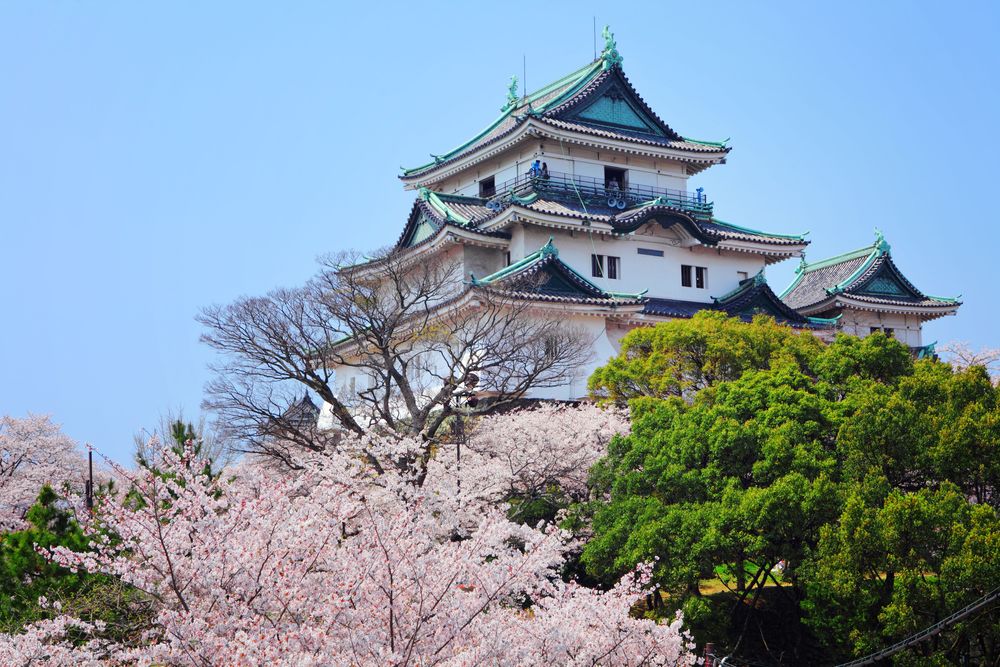
✅ Day 12: Travel to Wakayama - The perfect Spring Itinerary of Japan
- Transportation: Take the JR Limited Express Kuroshio from Osaka to Wakayama (approx. 1 hour, covered by JR Pass).
Sustainable Accommodation in Wakayama: Koyasan Guesthouse Kokuu
- Price: ¥6,000–¥8,000 per night for a traditional Japanese room.
- Highlights: A cozy guesthouse that blends traditional and modern design. It promotes sustainable tourism and cultural immersion by supporting the local Koyasan community. Location: Near Mount Koya, the spiritual heart of Wakayama.
✅ Day 12: Koyasan (Mount Koya) - The perfect Spring Itinerary of Japan
- Explore the sacred Mount Koya – Visit Okunoin Cemetery and Kongobu-ji Temple, experiencing the spiritual and serene atmosphere of this important religious site.
✅ Day 13: Wakayama Castle and Nature - The perfect Spring Itinerary of Japan
- Morning: Wakayama Castle – Visit the beautifully restored castle.
- Afternoon: Wakaura Bay – Take a scenic walk along the coastline and explore Wakanoura Park.
✅ Day 14: Day Trip to Shirahama - The perfect Spring Itinerary of Japan
- Transportation: Take the JR Kuroshio Line to Shirahama (approx. 1 hour, covered by JR Pass).
- Visit Shirahama Beach and the famous Engetsu Island. Enjoy Shirahama Onsen, one of Japan’s oldest hot spring resorts.
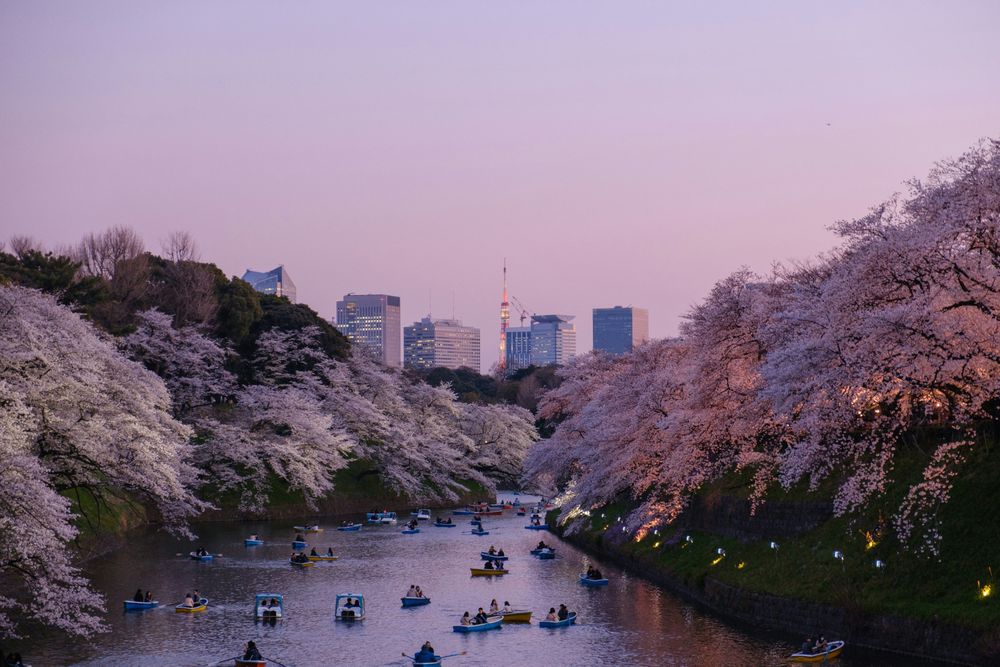
✅ Day 15: Travel Back to Tokyo - The perfect Spring Itinerary of Japan
- Transportation: Take the Shinkansen from Wakayama to Tokyo (approx. 4 hours, covered by JR Pass). Your JR Pass will still be valid for this return trip.
Restaurant Recommendations in Japan
We didn't forget about one of the most important aspects of every Japan trip: the FOOD! Here are some recommendations for theses Japanese destinations and some overall tips:
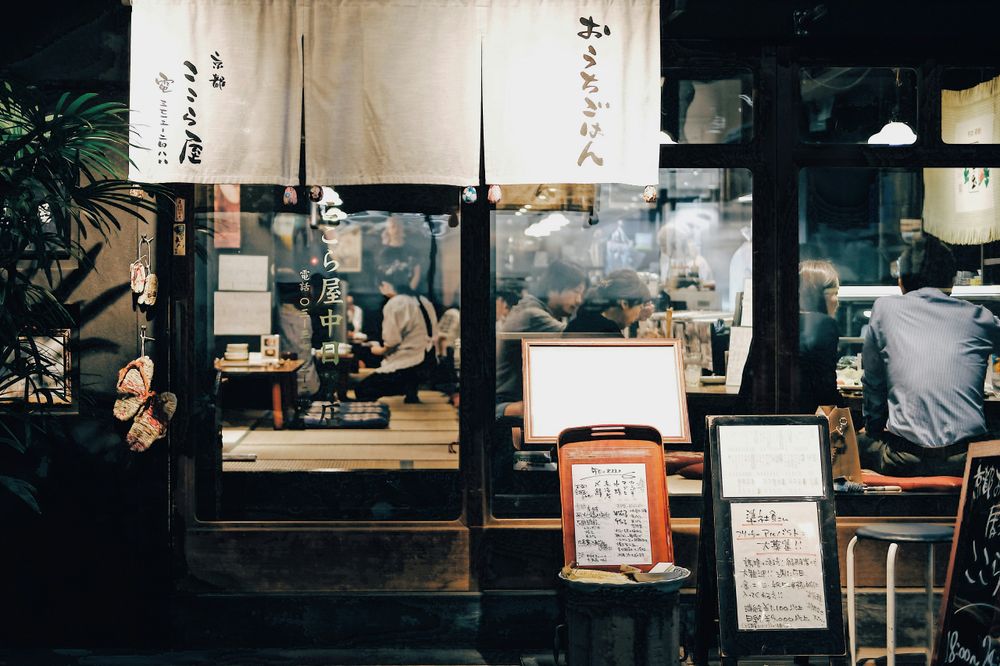
📍Tokyo
1. Sushi no Midori (Shibuya) What it's known for: Fresh and high-quality sushi at reasonable prices. This place is popular with both locals and visitors for classic sushi dishes. Average price per person: ¥2,000–¥4,000.
2. Kanda Matsuya (Kanda) What it's known for: One of Tokyo’s most famous soba (buckwheat noodles) restaurants, serving handmade noodles in a traditional setting. Average price per person: ¥1,000–¥2,000.
3. Tempura Tsunahachi (Shinjuku) What it's known for: Traditional tempura prepared right in front of you, with a focus on fresh seasonal ingredients. Average price per person: ¥2,000–¥4,000.
4. Omoide Yokocho (Shinjuku) What it's known for: A famous alley of small yakitori (grilled skewers) stalls, offering grilled meats and vegetables. Average price per person: ¥1,500–¥3,000.
📍Kyoto
1. Nishiki Warai (Nishiki Market) What it's known for: Okonomiyaki (savory Japanese pancake), a classic Kyoto dish served with your choice of ingredients like pork, seafood, or vegetables. Average price per person: ¥1,500–¥2,500.
2. Omen (Gion) What it's known for: Handmade udon noodles served with fresh vegetables and Kyoto-style dishes in a traditional wooden house setting. Average price per person: ¥1,500–¥2,500.
3. Ganko Sushi (Kyoto Station) What it's known for: Reasonably priced sushi with fresh ingredients in a casual setting, perfect for a quick yet authentic meal. Average price per person: ¥2,000–¥3,500.
4. Honke Owariya (Downtown Kyoto) What it's known for: One of the oldest soba restaurants in Japan (over 500 years old), known for traditional soba noodles and a variety of noodle dishes. Average price per person: ¥2,000–¥3,000.
📍Osaka
1. Mizuno (Dotonbori) What it's known for: Osaka’s specialty okonomiyaki, made fresh with your choice of fillings like pork, shrimp, and cheese, in one of the city’s most famous okonomiyaki restaurants. Average price per person: ¥1,500–¥3,000.
2. Kiji (Umeda Sky Building) What it's known for: Another famous okonomiyaki spot, offering a slightly more relaxed, local vibe and fantastic food cooked to perfection. Average price per person: ¥1,500–¥2,500.
3. Harukoma Sushi (Tenjinbashi) What it's known for: Fresh and affordable sushi in a lively setting, known for its generous portions and friendly atmosphere. Average price per person: ¥1,500–¥3,000.
4. Ajinoya (Namba) What it's known for: Another top-rated okonomiyaki restaurant with a reputation for delicious, hearty portions and a cozy, friendly environment. Average price per person: ¥2,000–¥3,500.
📍Wakayama
1. Kuroshio Market (Wakayama Marina City) What it's known for: Fresh seafood, including maguro (tuna), directly from the market. The market also hosts tuna-cutting shows, where you can watch the preparation before tasting the fresh tuna. Average price per person: ¥2,000–¥4,000.
2. Isshindo Honten (Koyasan) What it's known for: Specializes in shojin ryori (Buddhist vegetarian cuisine), offering beautifully prepared and healthy dishes made with seasonal vegetables and tofu. Average price per person: ¥3,000–¥5,000.
3. Wakayama Ramen Marutaya What it's known for: Wakayama ramen, known for its rich pork broth and soy sauce base, topped with tender pork slices and soft-boiled eggs. Average price per person: ¥1,000–¥1,500.
4. Shunsai (Wakayama City) What it's known for: Seasonal kaiseki-style dining with fresh, local ingredients. Ideal for those looking to experience an elegant and traditional Japanese meal. Average price per person: ¥5,000–¥8,000.
📍Day Trip to Hakone
1. Tamura Ginkatsutei (Gora) What it's known for: Known for tofu katsu-ni, a dish made from deep-fried tofu cooked in a savory broth, a specialty of the region. Average price per person: ¥1,500–¥2,500.
2. Fujimien Rest House (Lake Ashi) What it's known for: A restaurant with spectacular views of Lake Ashi and Mount Fuji, serving traditional Japanese meals like tempura and soba noodles. Average price per person: ¥1,200–¥2,000.
✅ General Tips for Eating in Japan:
- Many restaurants offer "teishoku" (set meals), which often include a main dish, rice, miso soup, and pickles for an affordable price, usually between ¥1,000 and ¥2,500.
- Sushi and ramen spots can range widely in price depending on quality and location, but even at a mid-range restaurant, you can expect fantastic quality.
- If you're looking for a budget option, consider visiting izakayas (Japanese pubs), where small plates are shared, or local food markets.
This perfect Spring itinerary of Japan offers an immersive journey through the country's cultural highlights, natural beauty, and unique traditions. By planning with sustainable practices in mind, you can enjoy Japan's most vibrant cities and tranquil regions in a way that honors both the environment and local communities. From bustling Tokyo and historical Kyoto to the spiritual landscapes of Wakayama, this 2-week itinerary captures Japan’s spirit, making for an unforgettable spring adventure.
Tip: Create the perfect itinerary of Japan and be inspired by others! 🇯🇵🥰 Download free for Android or for iOS